“The mass of men lead lives of quiet desperation“. Thoreau
We’re visiting a township today. Our guide for the tour is Chippa, who is a member of the Xhosa tribe, as were Nelson Mandela and Desmond Tutu. The Xhosa language is one of a very few in the world that uses clicking sounds in their language.
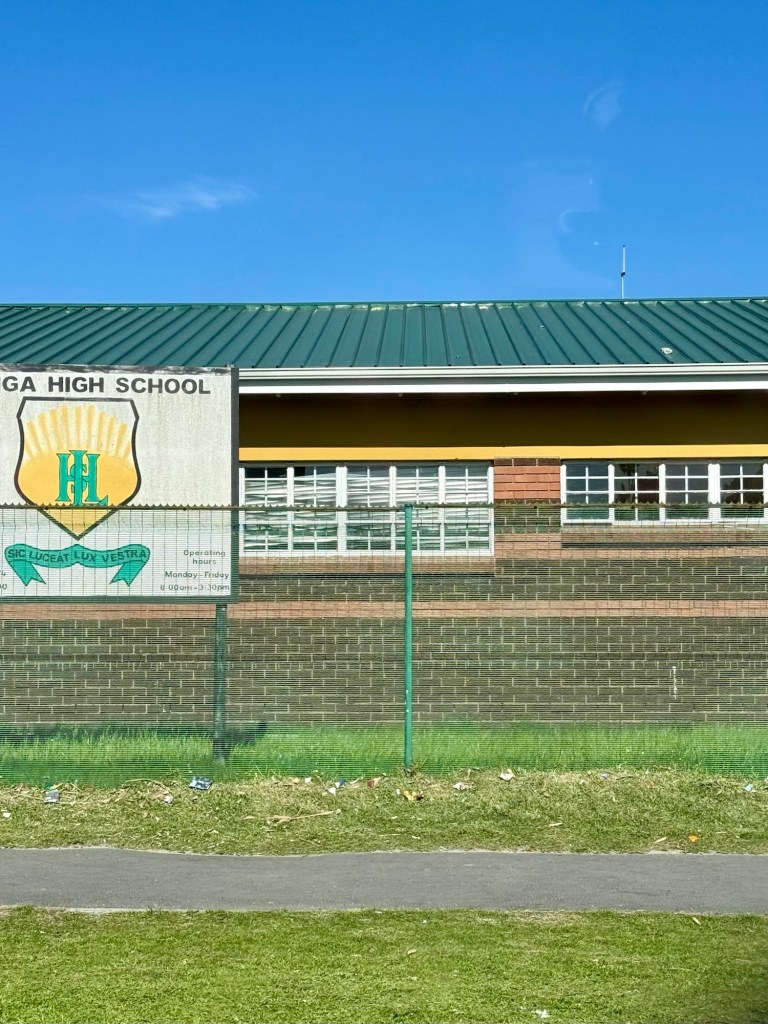
Chippa grew up and still lives in the Langa township about twenty miles outside Cape Town. It’s one of the oldest townships in South Africa, established in 1923 and originally built to house workers coming in to the city from the countryside. Dormitory style buildings with communal cooking and toilet facilities housed the male workers, while their families stayed in their home villages.
Eventually families started moving into the townships, and then followed the informal townships- tin shacks which gradually grew up on the outskirts of the official townships. All of this occurred before apartheid became official government policy in 1948. Under the apartheid system racial groups were segregated and it became illegal to have mixed race neighborhoods. Some mixed neighborhoods were bulldozed and the people relocated.
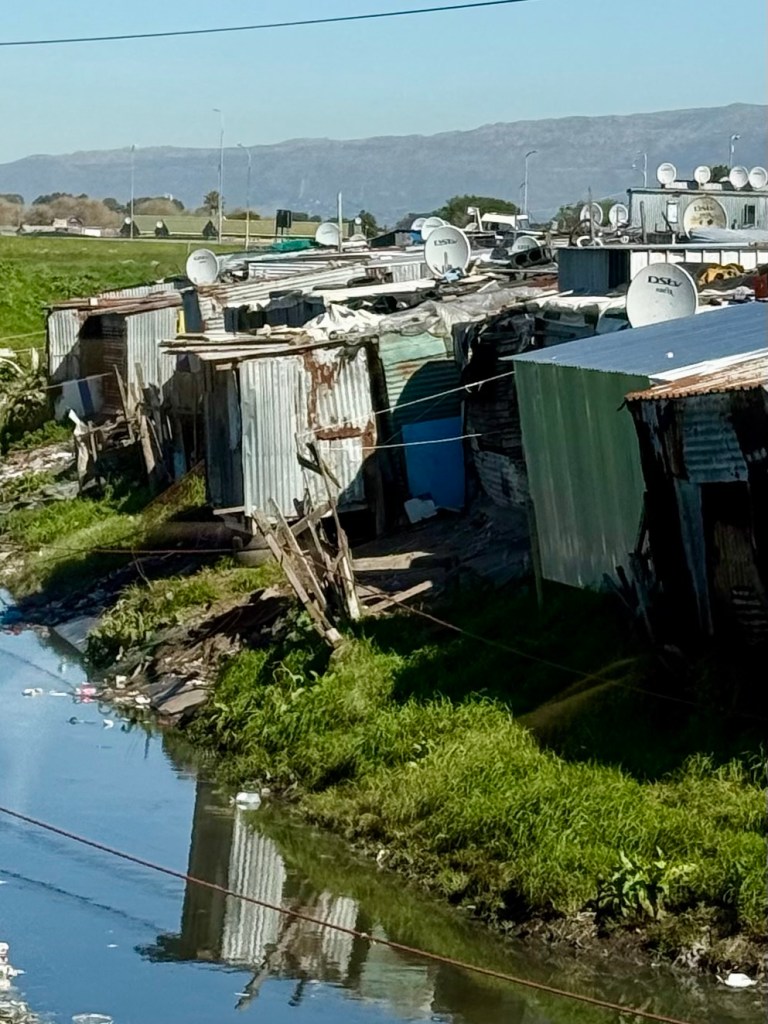
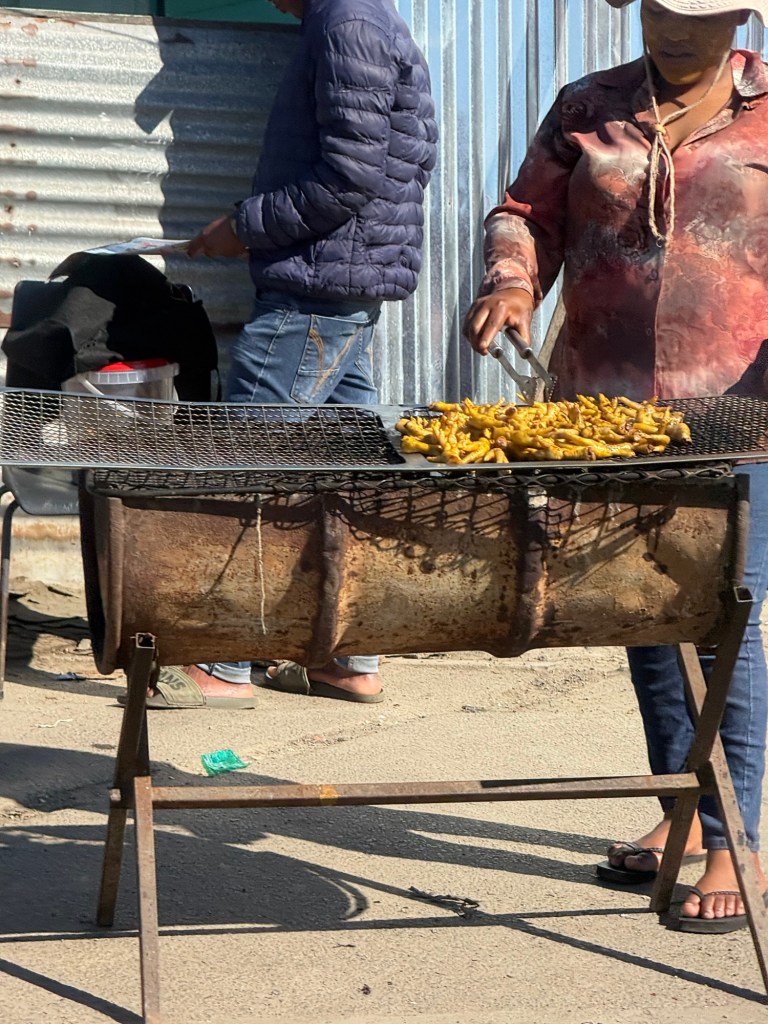
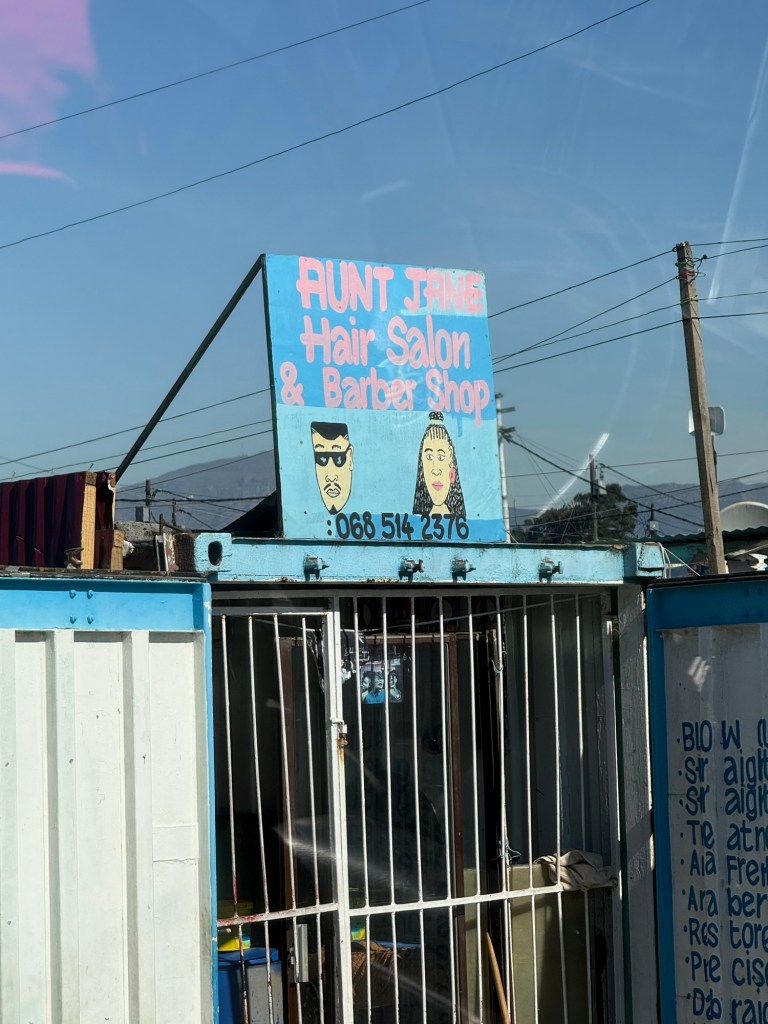
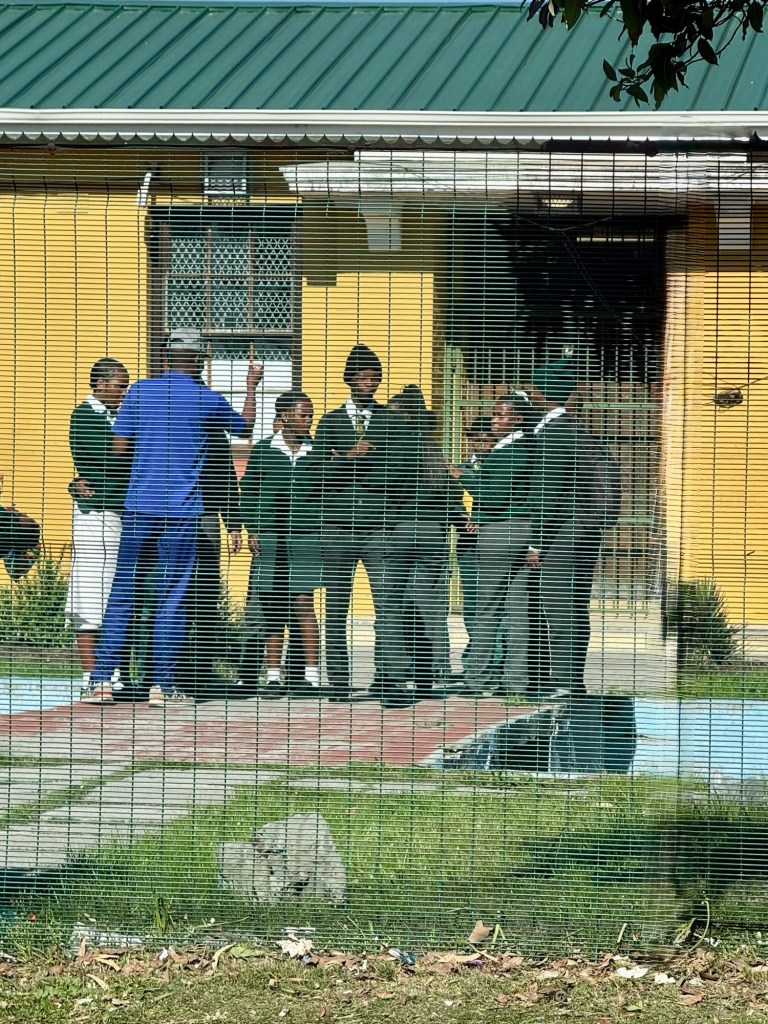
On the outer edge of Langa township, the unofficial township is a warren of tin shacks, many without windows. There is no water or sewer. A nearby canal serves as garbage dump and toilet. Rats run through the streets. Electricity is provided by makeshift wiring. Electrical fires and burns are common. But within that space many people live their lives. There are shops, barbers, internet companies, restaurants. And there are gangs. Crystal meth is a huge problem. Education is non-existent for many children.
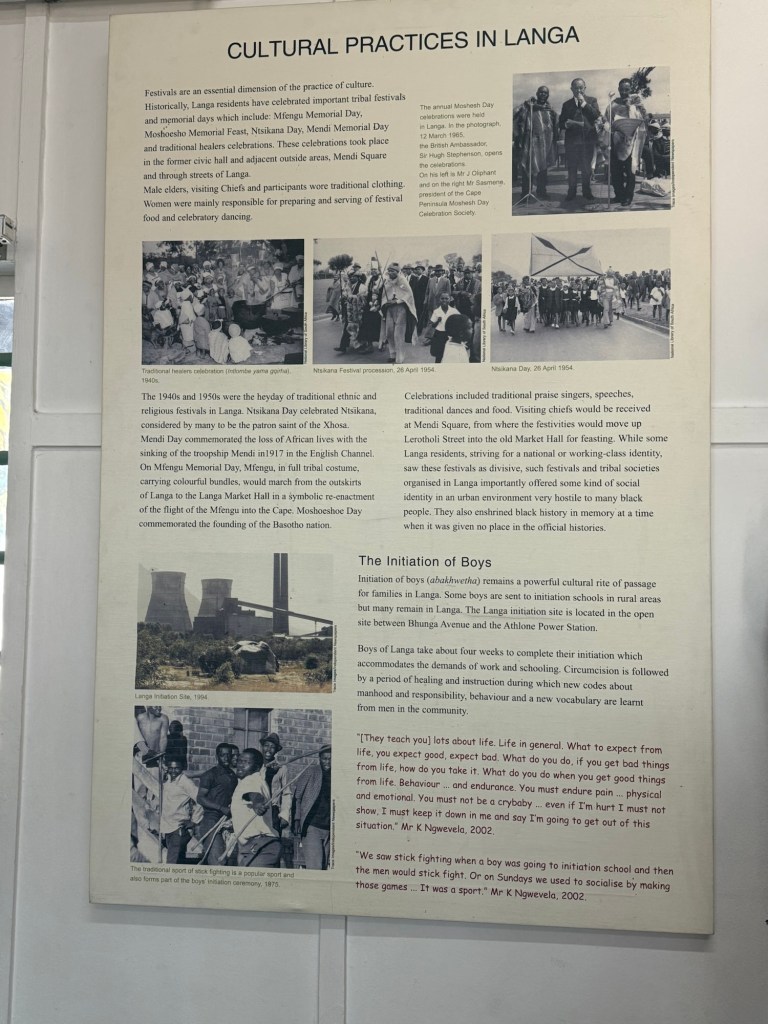
The apartheid system and the Group Areas Act of 1950 divided people into four groups: whites, Africans, colored and Indian. It became illegal to own property or live in an area designated for another group. Many people were forcibly relocated. Under apartheid, a person’s job, housing and even wages was determined by their race. It was a brutal system, and protests against it started soon after it was implemented. The African townships were the worst in terms of living conditions and wages, and many of the protests began there. We visited a small museum with a history of the Langa township.
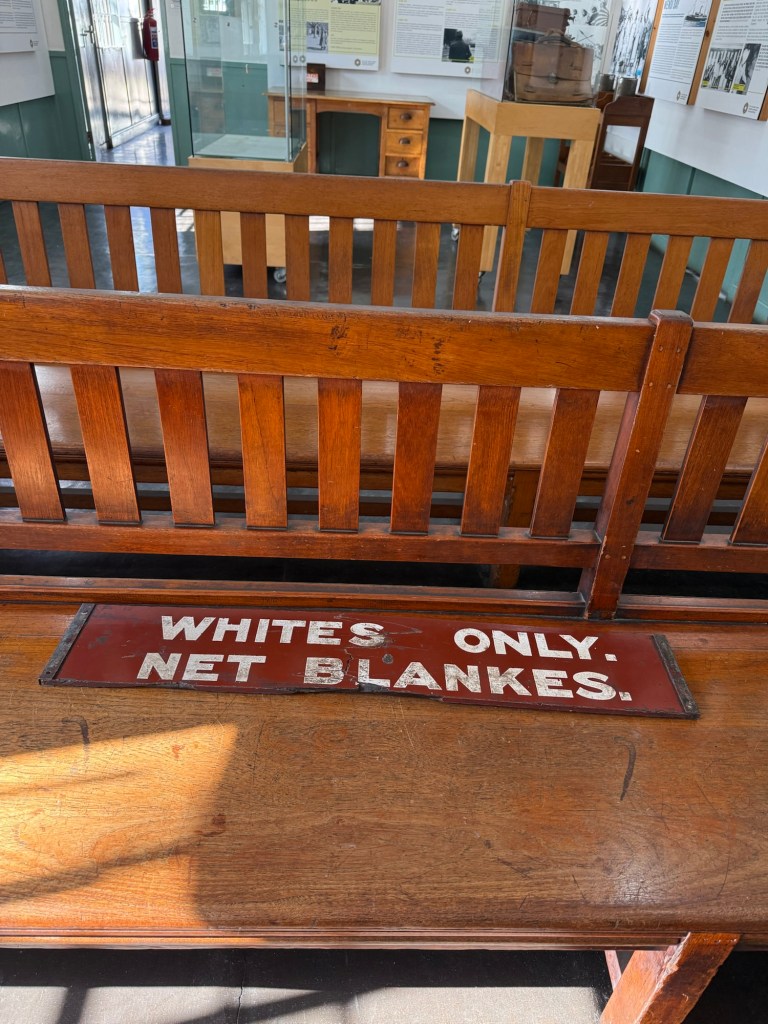
Sustained protests and pressure from the outside world finally ended apartheid in the early 1990’s. But the neighborhoods and townships remain divided along racial lines. One side of a highway will be a colored neighborhood and the other side will be an African neighborhood. Only the formerly white only neighborhoods have much mixing of races, but there the division is largely economic, since these tend to be the most desirable areas.
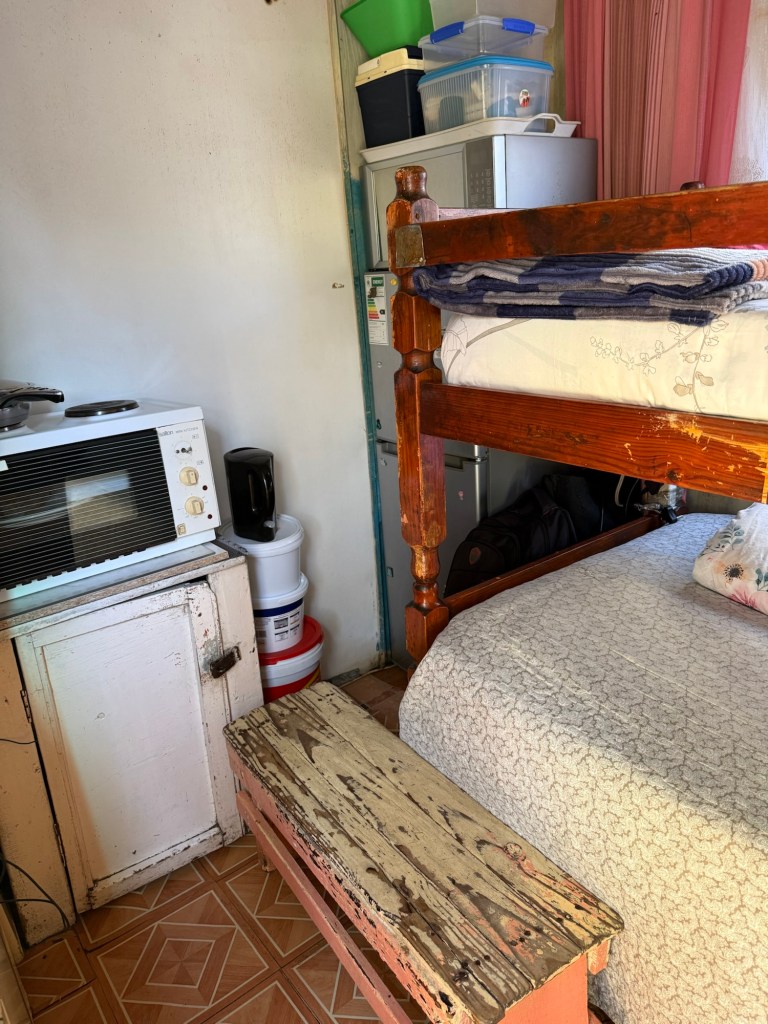
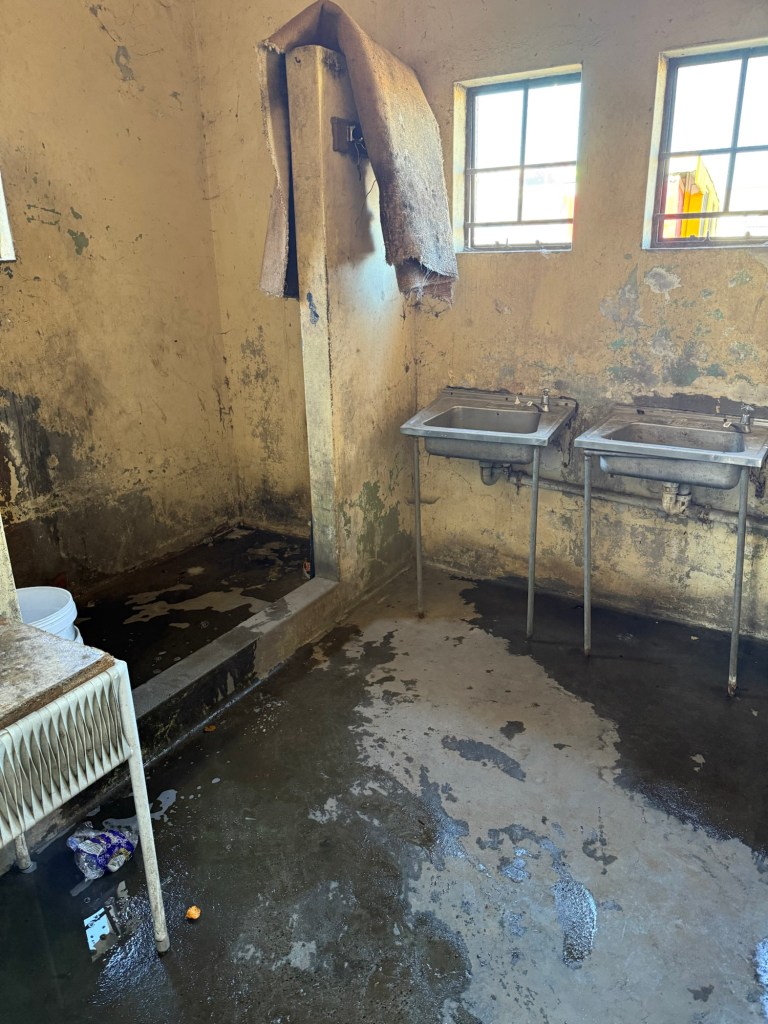
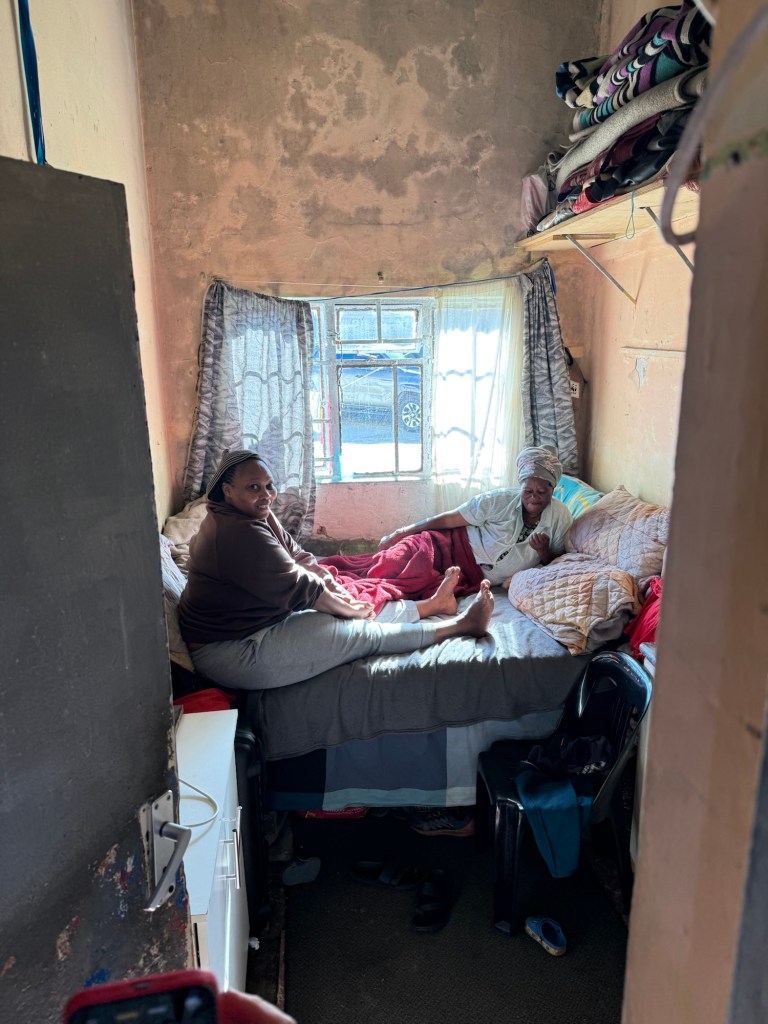
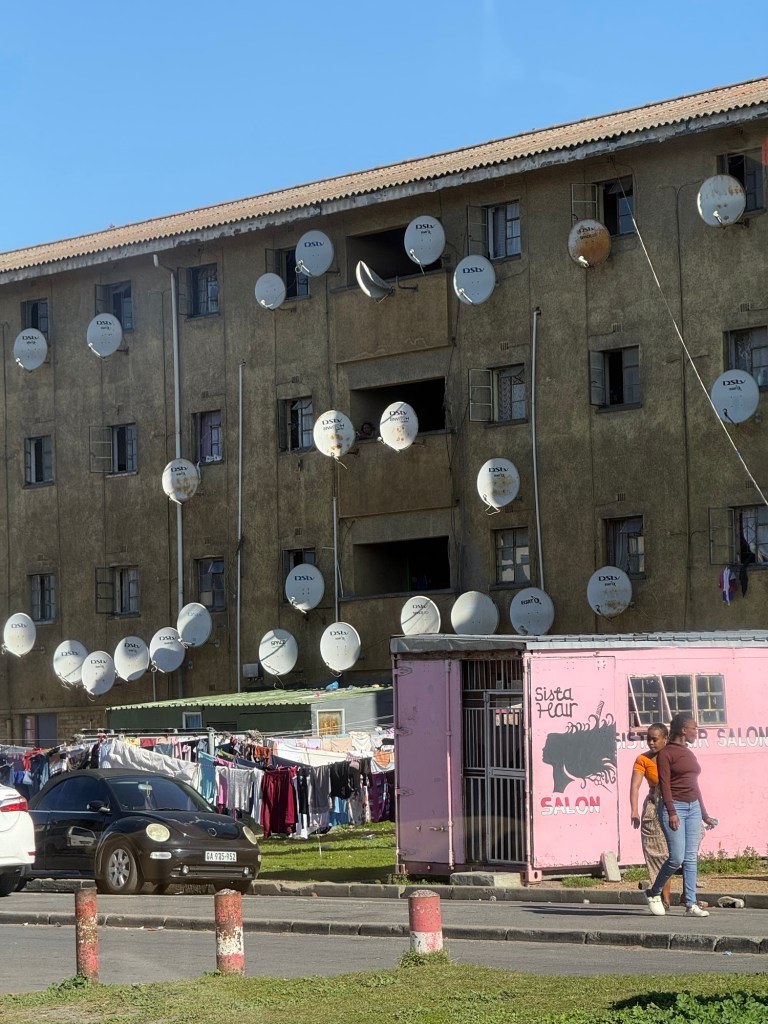
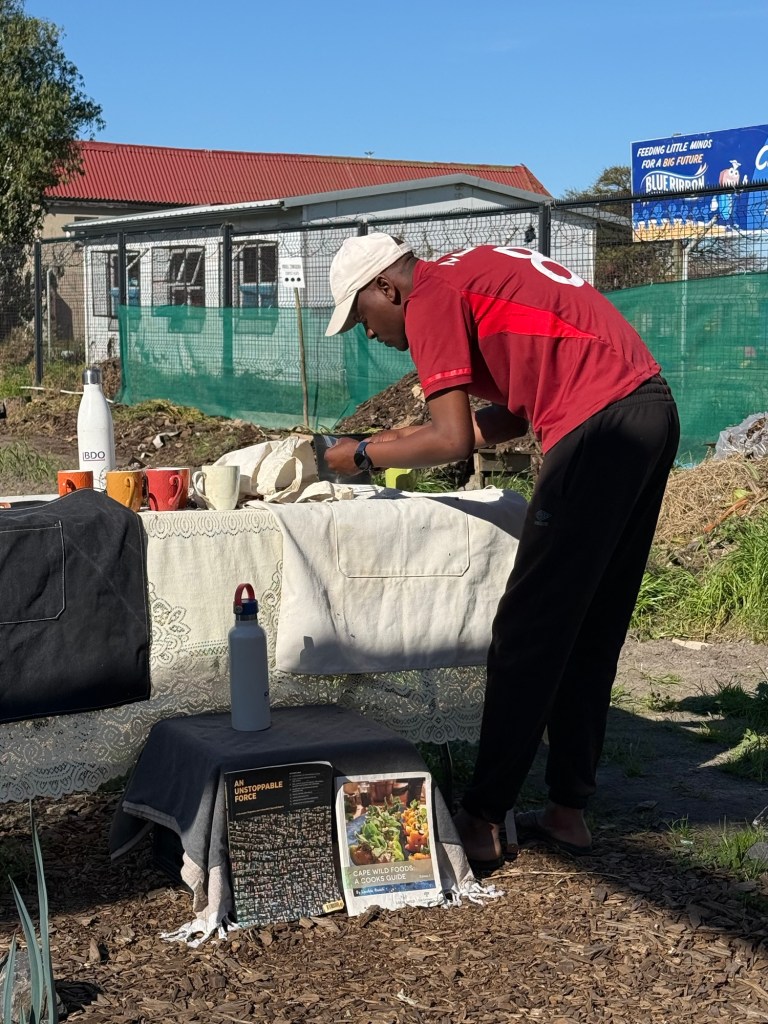
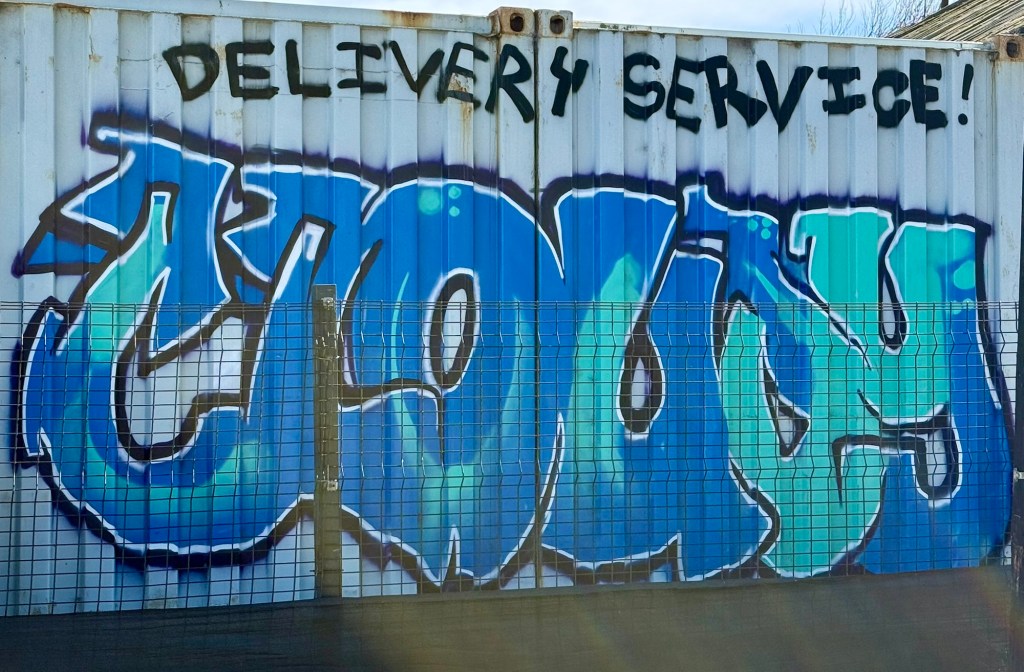
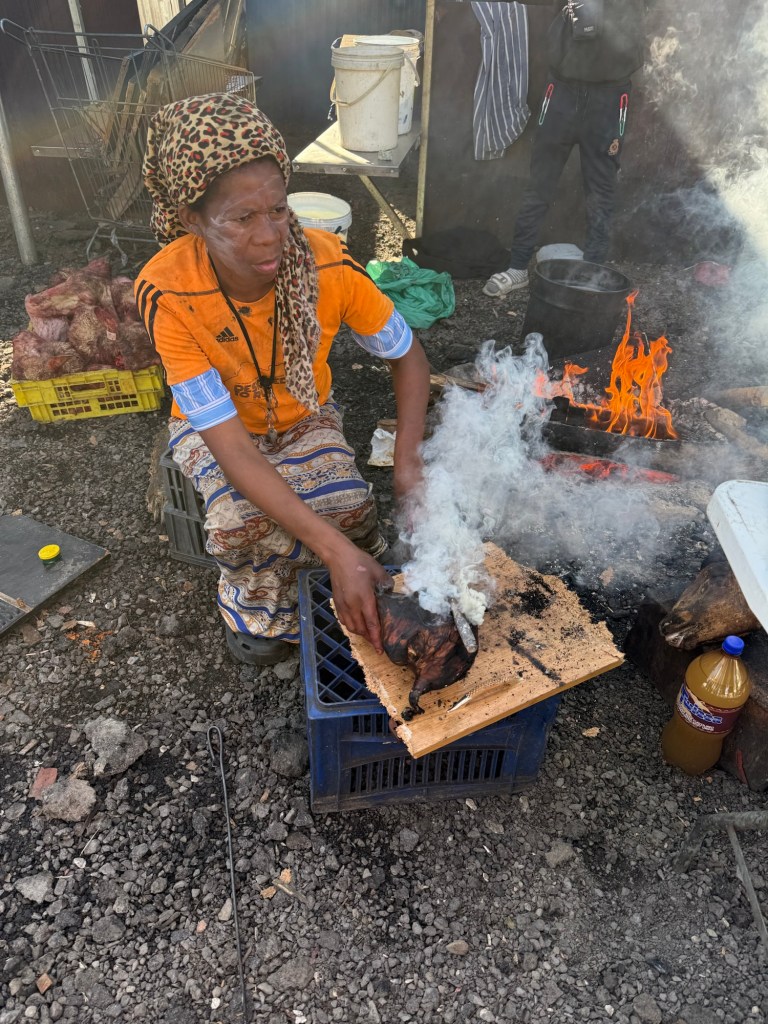
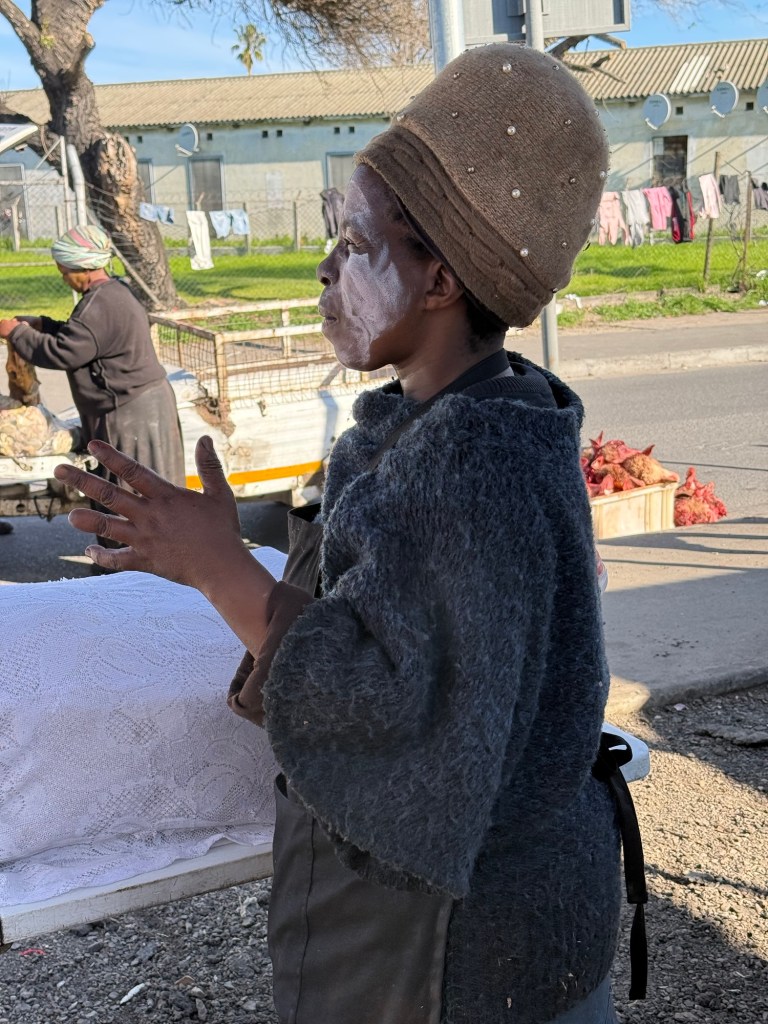
Our tour of the Langa township was a sobering experience. The fact that people still live in these communities, many for generations is hard for us as Americans to comprehend. We did see some young entrepreneurs in Langa, including a coffee stand, and a delivery service called Cloudy. A group of women process sheep heads for food by first burning off the wool, then removing the brains, and finally boiling the split heads before sale. The tongue is a delicacy. The workers were smiling and proud of their work. Hope abides.
At the end of our tour of Langa, we asked Chippa for a demonstration of his native language and he gave us this :

